A Return to the Office Is a Great Chance to Make a Fresh Start
In her new book, How to Change: The Science of Getting From Where You Are to Where You Want to Be, Katy Milkman, a professor at the University of Pennsylvania’s Wharton School, talks about strategies for overcoming obstacles. Here are edited excerpts from a conversation about how workers and bosses can adopt better habits as they return to the office.
May 4, 2021
- Bloomberg Businessweek
Read More
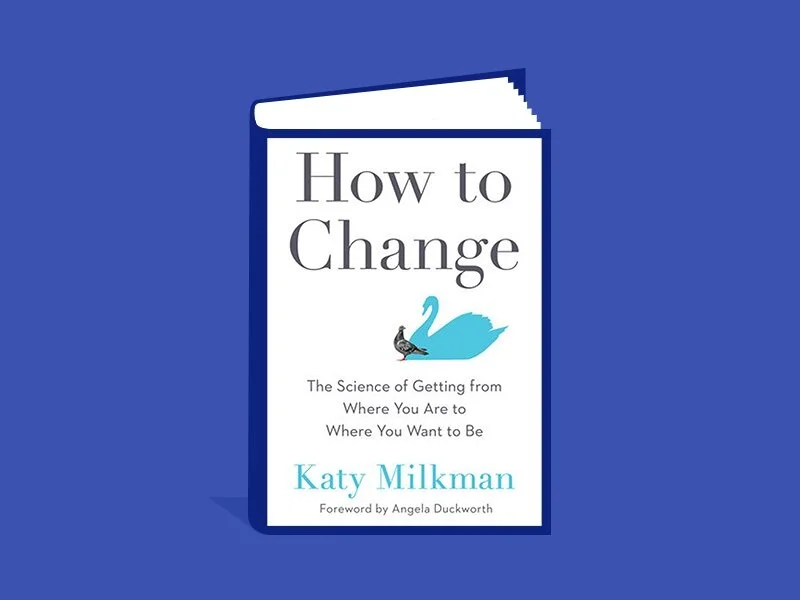
How to Change: The Science of Getting From Where You Are to Where You Want to Be
If you’ve tried—and failed—to make positive changes in your life, and wonder if the new science of behavior can help, this book is for you. You’ll feel like you’re friends with a world-class scientist who is walking by your side, helping you understand yourself better, and helping you, too, become a super human.
April 28, 2021
- Self-Control Playbook, Character Lab
Read More
Seven More Ways to Fool Yourself Into Good Financial Decisions
Newbies investing money for the first time and people on tight budgets can be illogical about money, but so can those with loads of cash in the bank. “You aren’t insulated from human nature because of a high salary,” says Katy Milkman, a professor at the University of Pennsylvania’s Wharton School and author of the forthcoming How to Change: The Science of Getting From Where You Are to Where You Want to Be. You are, however, able to use behavioral economics to make better financial decisions.
March 9, 2021
- Bloomberg Businessweek
Read More
Seven Ways to Trick Yourself Into Making Sound Financial Choices
People often assess their lives and make new commitments on their birthdays, so it’s a “beautiful opportunity” to make changes that are short-term annoying but long-term beneficial, says Katy Milkman, a professor at the University of Pennsylvania’s Wharton School and author of the forthcoming How to Change: The Science of Getting From Where You Are to Where You Want to Be.
March 2, 2021
- Bloomberg Businessweek
Read More
I Teach a Course on Happiness at Yale: This Is How to Make the Most of Your Resolutions
University of Pennsylvania psychologist Katy Milkman and others have shown that people are more driven to tackle new goals at shared temporal breaks than at random times of the year; something she calls the “fresh start effect.” Whether it’s a birthday, the first day of school or even a Monday morning, fresh start moments give us a boost of motivation by focusing our attention on the big picture and what we really want out of life. They make us feel less weighed down by past mistakes, as if we’ve been given a blank slate.
January 8, 2021
-The Guardian
Read More
The Best Evidence for How to Overcome COVID Vaccine Fears
Even among the willing, it will take a concerted effort by public health officials to ensure that good intentions translate into action. Whether it is getting out to vote or showing up for a vaccination, one third to two thirds of people who say they will do something wind up flaking out, says Katy Milkman, co-director of the Behavior Change for Good Initiative at the University of Pennsylvania, where she researches ways to close this “intention-action gap.”
January 7, 2021
-Scientific American
Read More
The Science of How to Stick to New Year’s Resolutions and Truly Change Your Habits
Change your behavior by pairing a new habit with something you already enjoy.
January 1, 2021
-CNN
Read More
Your 2021 Budget: Plan Ahead, but Not Too Far Ahead
Instead of setting a budget for the year, or even for the season, try structuring your spending and saving plan on a much smaller scale. This approach has several key advantages: You’re able to better monitor your cash flow, pivot plans with greater ease and reclaim some of the “fresh start” energy as the new year arrives.
December 29, 2020
-The Wall Street Journal
Read More
This Year, Try Downsizing Your Resolutions
If you have several types of goals, choose one that resonates with you the most, the experts said. (Maybe choose two if you’re feeling ambitious.) Having just one goal and a plan for achieving it is more important than having lots of vague goals, they said. Next, write everything down. This will not only help you think through your goals, but also help make them more memorable, said Katy Milkman, a behavioral scientist and professor at the Wharton School of the University of Pennsylvania, and the author of How to Change, a forthcoming book on the science of achieving goals.
December 29, 2020
-The New York Times
Read More
Our Favorite Advice of 2020
At 72 and with high blood pressure, John is worried he won’t be in the best shape to travel when this is all over. So behavioral economist Katy Milkman introduces him to a key strategy for losing weight called “temptation bundling.” The idea is simple: Pair something you love—like juicy audio romance novels or, say, your favorite advice podcast—with a workout. The trick is to listen to that audiobook or podcast only when you exercise, so that you actually start looking forward to the workout.
December 29, 2020
-Slate
Read More
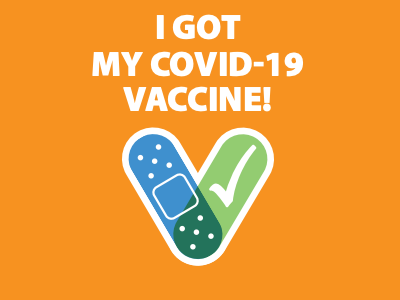
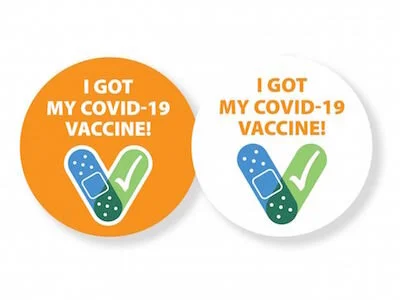
What the ‘I Got My COVID-19 Vaccine’ Sticker Looks Like
“We’re very influenced by what we perceive people in our community to be doing, so if everybody else is doing something, it’s attractive to us,” Katherine Milkman, PhD, co-director of the Behavior Change for Good Initiative, told ABC News.
December 16, 2020
-KRON News
Read More
Wear a Sticker Saying You Got the COVID-19 Vaccine? The CDC Thinks It Could Help
Katherine Milkman researches human behavior and decisions and argues that educating people on the vaccine and whether it is safe is only half the battle. She said officials will need to go a step further to get people to actually take the time or put aside other concerns to get it, including overcoming hurdles like convenience and ensuring people come back for the second dose at the right time.
December 14, 2020
-ABC News
Read More
Now That There’s a Coronavirus Vaccine, How Do You Persuade People to Take It?
Katherine Milkman advocates “I got my vaccine” stickers to increase peer pressure. She is also expecting the results later this month of a major study with Walmart that tested text messages to see which ones led people to get flu shots. The findings should help in designing coronavirus messaging.
December 11, 2020
-The Washington Post
Read More
Should Trump Receive a COVID Vaccine? Health Experts Say It’s a ‘No-Brainer’
“Trump could get it just to show it’s safe,” said Katy Milkman, a behavioral scientist and professor at the University of Pennsylvania’s Wharton School. “It would be great if he were helpful in encouraging people to get vaccinated.”
December 10, 2020
Yahoo! News
Read More
How to Convince Americans to Get the COVID-19 Vaccine
Katy Milkman’s job is to harness insights from economics and psychology in order to nudge people to make better choices, and she is convinced that we can get the COVID-19 endgame right—from surviving a dangerous winter to maximizing vaccine uptake early next year—if we follow the latest behavioral science. She spoke to Yahoo News about what that science says—and why she is optimistic about the difficult months ahead.
December 8, 2020
-Yahoo! News
Read More
First, the Challenge Was Developing a Vaccine. Now, It’s Getting People to Take It
“I think social media companies have done great things around making it possible to share when you go vote, for instance, and making it really visible with ‘I Voted’ stickers,” said Katy Milkman. “I think we should be doing similar things around vaccination [as a way to encourage people to get them].” Milkman says the goal then is to market the vaccine properly.
December 8, 2020
-Denver 7 ABC News
Read More
Katy Milkman on How to Nudge People to Accept a Covid-19 Vaccine
A catastrophe will unfold if people reject immunizations, but behavioral science can encourage people to do the right thing.
November 30, 2020
- The Economist
Read More
Changing Behavior … For Good
Wharton professor Katy Milkman is co-leading groundbreaking research, along with her Penn colleague Angela Duckworth, to uncover why we make the decisions we do, and how we can make better ones—that stick.
November 18, 2020
-The Philadelphia Citizen
Read More
It’s Been 1,000 Years Since 2016
Like some stressful quadrennial birthday, elections prompt us to think about where we’ve been and where we’re headed, both personally and as a country.
November 3, 2020
-The Atlantic
Read More